Property Management
Crawlspace, Slab, or Basement: Foundation Choices in Greater Charlotte
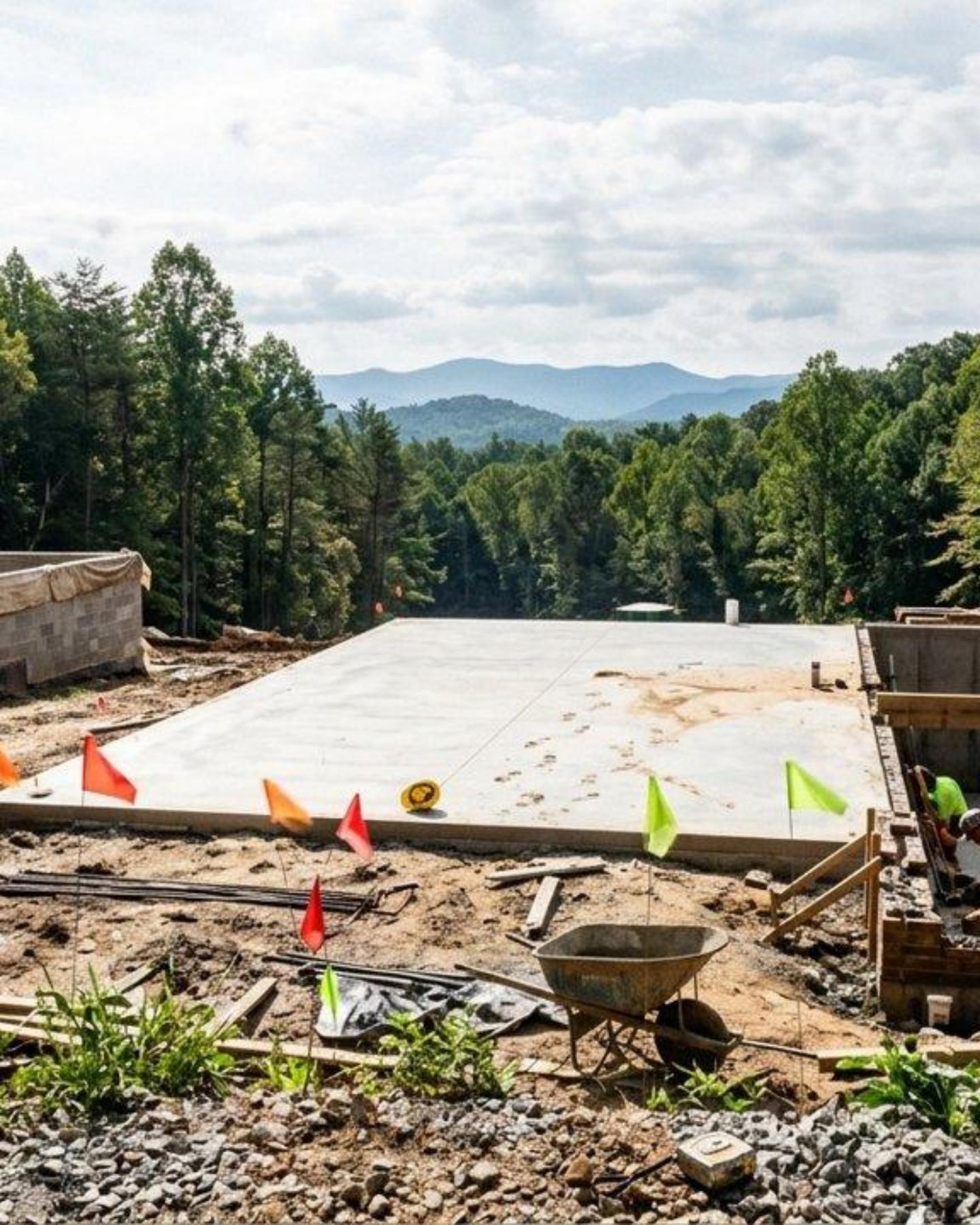
Foundation selection in Greater Charlotte depends on lot slope, clay soil, drainage, moisture, and planned utility layout. No type is best everywhere.
Understanding Foundation Types in the Charlotte Region
Every home needs a strong, stable foundation, and the options most common to Greater Charlotte are slab-on-grade, crawlspace, and basement systems. Each responds differently to the area’s clay soils and humid conditions, as well as site slope and drainage challenges.
A slab foundation is poured directly on prepared ground with no open space or basement below. This approach is typically the simplest and fastest when the site is flat and soil is compacted well, leading to lower costs and fewer maintenance requirements if the drainage is managed.
Crawlspaces and basements both lift the house above the ground, but with significant differences. A crawlspace gives limited below-home access for utilities, while a basement provides full-height space - often for storage or living use - but requires deeper excavation, complex waterproofing, and is less common in this region.
Crawlspace Foundations: Local Pros, Cons, and Maintenance
In the Piedmont of North Carolina and South Carolina, crawlspaces often strike a practical balance between expense and site adaptation, especially for lots with mild to moderate slopes. This type is popular where full basements are costly and slabs may not accommodate the ground shape or future access needs.
The main downside here is moisture: humid air, slow-draining clay, poor grading, or unsealed vents can trap water under your house, encouraging mold, pests, and decay.
Crawlspace success rests on thoughtful design and diligent maintenance - especially for drainage and vapor barriers. Simply choosing a crawlspace does not remove local moisture or humidity risks.
- Crawlspaces adapt to uneven or sloped lots better than slabs in the Charlotte area.
- They allow easier access for plumbing, ductwork, and repairs than slabs.
- Ongoing moisture management is essential in the Carolinas' clay soils and humidity.
- Improper drainage or lack of sealing leads to mold, pest issues, and poor indoor air.
Slab-on-Grade Foundations: Advantages and Risks
A slab-on-grade means no space between the home and the ground, which eliminates the crawlspace’s risk of hidden moisture or pest problems. It offers simplicity and is often the most affordable foundation when the site is flat and drainage is handled.
The tradeoff for this simplicity is access: with a slab, plumbing or utility repairs beneath the floor can be invasive and costly. And if soil preparation or drainage isn’t perfect - especially with our Piedmont clay - slabs can crack or settle.
Slabs are most successful where the lot is flat, soil is compacted properly, and water runs off rather than collects. Problems arise if these requirements are not strictly followed.
- No below-home cavity means fewer issues from trapped moisture or pests.
- Plumbing and utilities embedded in the slab are harder to repair or access later.
- Slabs are less forgiving of sloped lots and soil instability in the Carolinas.
- Proper grading, compaction, and drainage are essential to prevent slab damage.
- Poor site work or clay movement can cause cracks and uneven floors.
Basement Foundations: Space, Challenges, and Rarity in the Carolinas
Basements add the most usable space, whether for storage, living, or utilities, and work best on sloped sites where a walkout basement is feasible. This can be a significant asset for families needing room to grow or store equipment.
However, basements require the most complex construction: deep excavation, extra concrete, waterproofing, drainage, and a focus on holding back water. Clay soils and high water tables common in parts of Charlotte, Matthews, and Fort Mill make waterproofing a major concern.
While basements are rare in much of the Carolinas due to these challenges, they can be viable on well-drained, gently sloped lots, especially in the western or foothill regions where conditions align. Still, feasibility should be assessed on a lot-by-lot basis.
The best foundation for your Charlotte-area home is always the one matched to both your lot and your long-term plans.
Local Climate, Soil, and How to Decide What’s Best
The greater Charlotte area is known for its dense, moisture-retaining clay soils that swell during wet seasons and shrink in drought. This movement stresses all foundation types, whether slab, crawlspace, or basement, underscoring the need for quality site engineering and reliable drainage.
Humid summers and slow-draining clay intensify moisture issues, especially around crawlspaces and basements. While these patterns are common, site conditions such as slope, tree cover, drainage, and adjacent development can vary, so no one-size-fits-all advice applies even within the same neighborhood.
Your smartest approach is to evaluate the individual parcel for drainage, soil type, groundwater risk, flood exposure, desired space, and utility needs before comparing foundation costs. A geotechnical evaluation or soil test is a wise investment for uncertain sites.
Comparing Construction Costs and Financial Tradeoffs
In Charlotte, slab foundations typically come in lowest on the cost spectrum, crawlspaces land in the middle, and basements sit highest due to their complexity. Basements require extra excavation, engineering, concrete, waterproofing, and drainage, which substantially raises the initial investment compared to slabs and crawlspaces.
Costs can swing dramatically with soil type, grading needs, haul distances, drainage solutions, and how much utility work is required. Itemized local quotes are vital, covering not just the basic foundation, but also excavation, grading, drainage, waterproofing, and special allowances for tough soil or site conditions.
Weighing All Factors for a Foundation Decision in Charlotte
Selecting the right foundation in the greater Charlotte region is rarely about preference alone. Instead, it comes down to aligning the lot’s features - slope, drainage, soil movement, and exposure to moisture or flooding - with your budget, space needs, and long-term maintenance commitment.
Basements offer the most flexible space but are uncommon and expensive due to local site and moisture conditions. Crawlspaces often fit sloped or variable terrain and provide accessible utility runs, but demand persistent moisture management. Slabs are quick and economical for flat, well-drained lots, but repairs under the floor can be intrusive if problems arise.
The final decision should balance initial cost, long-term risk, intended use, and, most of all, what the land itself allows. Site assessment and experienced local guidance are key to avoiding future issues.
This article summarizes regional trends and construction considerations but cannot substitute for site-specific engineering or inspection. Always verify with local experts.