Property Management
Radon Explained: What Homeowners in Greater Charlotte Need to Know
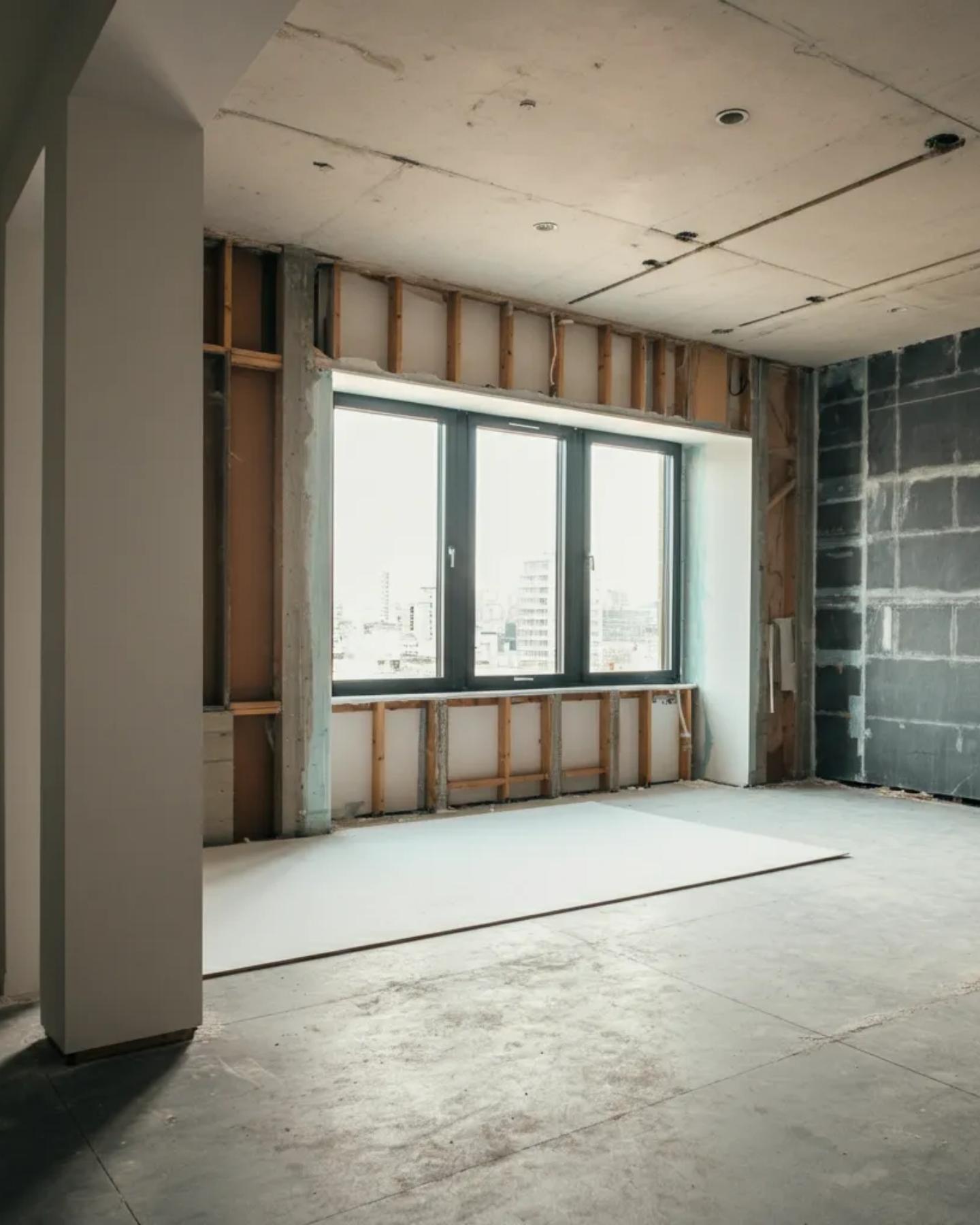
Radon is an invisible, radioactive gas found under homes throughout Greater Charlotte and Upstate SC. Testing is the only way to know your risk, and mitigation may be needed if levels are high.
What Radon Is and How It Forms
Radon is a colorless, odorless radioactive gas produced naturally when uranium and thorium break down in rocks and soil. It doesn’t have a taste, smell, or visible color, making it undetectable without proper testing equipment.
As radon seeps from the earth, it decays further, creating radioactive byproducts before it eventually stabilizes as lead. The most concerning form is radon-222, which has a half-life of just under four days.
When inhaled, radon's decay products can get trapped in the lungs. They emit radiation as they break down, which over time increases the risk of lung tissue damage and cancer.
How Radon Enters and Accumulates in Homes
Radon naturally escapes from the ground and can enter homes through cracks, joints, and gaps in basements, slabs, and crawlspaces. It’s present in Matthews, Rock Hill, Huntersville, Belmont, Mint Hill, Concord, and every other community across Greater Charlotte and Upstate SC.
- Any building can have elevated radon, regardless of its age or type.
- Radon travels from soil, groundwater, or construction materials into indoor spaces.
- Levels cannot be predicted by neighborhood or foundation design alone.
- Even new or well-ventilated homes can have high radon readings.
Health Risks of Radon Exposure
Radon is a leading cause of lung cancer among nonsmokers. Its radioactive decay products can stay in the lungs, where their alpha radiation damages tissue over years of exposure.
No radon level is entirely safe, but the EPA action level is 4 pCi/L. Even below this, reducing radon further can lower your health risks.
Smoking increases the risk of radon-related lung cancer, so quitting smoking and lowering radon are both important for health.
- The risk rises with radon level and length of exposure.
- Symptoms may not appear until lung cancer is advanced.
- Both smokers and nonsmokers are affected, but smokers face much higher risks.
- Lowering radon levels benefits everyone, especially smokers.
- Prompt action after high radon readings can make a significant difference.
How to Test and Measure Radon Levels
Testing is essential, since you can’t see or smell radon. Homeowners can buy test kits or hire certified radon professionals to assess indoor air.
North and South Carolina recommend testing every home in the region, whether it's single-family, condo, townhome, manufactured, or modular. Even if a mitigation system is installed, homes should be retested every five years to ensure continued safety.
Radon levels are measured in picocuries per liter (pCi/L). If your results reach 4 pCi/L or above, consult a professional and consider next steps. Retesting after changes or renovations is wise.
The only way to know your home's radon level is to test and stay proactive over the years.
Radon Mitigation and When to Take Action
When radon exceeds 4 pCi/L, North Carolina recommends hiring a qualified mitigation professional rather than relying solely on sealing cracks or typical ventilation fixes.
Mitigation systems actively draw radon from beneath the home and vent it safely outside. After system installation, test again within 24 hours to 30 days, and continue retesting over time to confirm effectiveness.
Ongoing Monitoring and Community Risk
After installing a mitigation system, routine retesting - at least every five years - is important to keep your home safe. Even if initial tests were low, radon levels can shift due to seasonal changes or ground disturbance.
No home in Greater Charlotte can be declared 'radon-free' on assumptions. Factors like renovations or changes in soil moisture may cause indoor radon levels to fluctuate over time.
Protecting Your Health and Peace of Mind
Understanding that radon exists in every Greater Charlotte neighborhood is the first step. Testing brings clarity, not guesswork.
If you discover elevated levels, mitigation is proven and effective. Timely action can dramatically lower lung cancer risk, especially if household members smoke or are vulnerable.
Periodic retesting ensures ongoing safety as your home and surroundings change. Radon control is a long-term commitment to well-being in this region.
This article is for general information about radon in Greater Charlotte. For health or safety decisions, consult licensed radon or medical professionals.